Key Takeaways
- Post-transaction advertising shows offers right after payment.
- Confirmation page advertising catches fresh attention.
- Ecommerce advertising here earns without buying more traffic.
- Relevant post-purchase ads protect trust.
- Test placement, partners, and offer types.
Most ecommerce advertising chases people before they buy. Post-transaction advertising flips that, reaching shoppers in the moment right after they pay, when they're relaxed, attentive, and already trusting the store. For retailers, that moment has long been wasted on a plain thank-you message.
Used carefully, post-purchase ads can become a new revenue line and a better customer experience at the same time. In this blog, you'll learn what these ads are, how they appear, what they deliver, and how to roll them out without hurting your checkout.
Post-Transaction Advertising Explained for Retailers
This format is newer than banners and search, but the idea is simple. Show a relevant offer once the sale is done, never during it.
What Is Post-Transaction Advertising and How Does It Work?
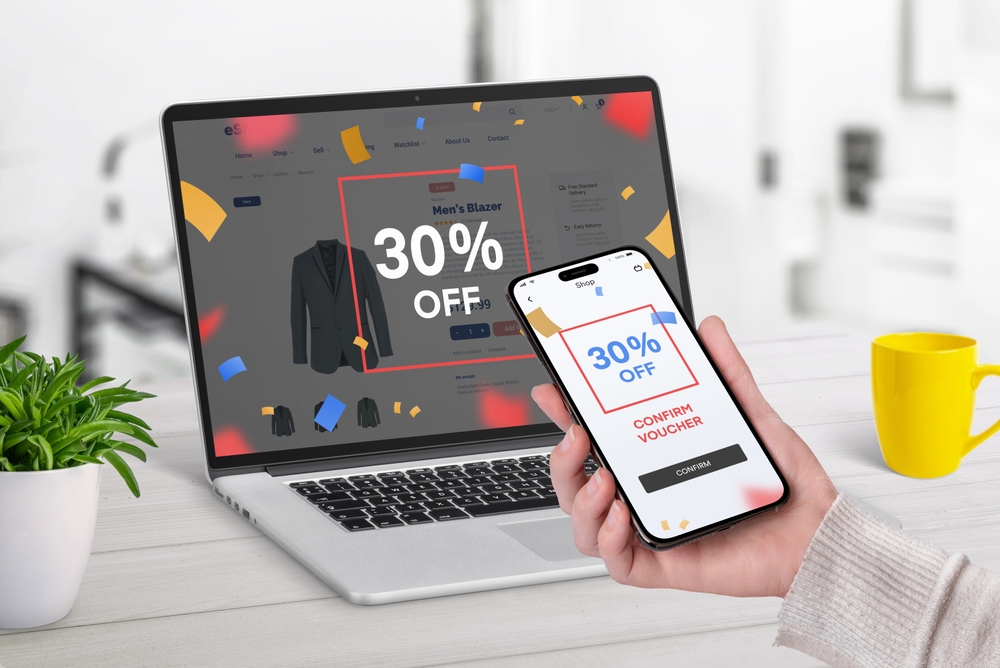
Post-transaction advertising places offers on the screen shoppers see after completing a purchase. A partner brand or the retailer itself shows a deal, and the shopper can accept it with a click or tap.
Because the order is already placed, the offer can't block the sale. That's the core appeal of post-transaction advertising in ecommerce advertising: it adds a chance to earn without adding friction to checkout.
Post-Purchase Advertising vs Post-Transaction Ads
The labels overlap, and vendors use them loosely. Post-purchase advertising is the broader idea of reaching customers after buying, including emails and packaging inserts.
Post-transaction ads are narrower and happen on screen at the moment of payment. Post-purchase ads in the wider sense can arrive days later, which changes timing, format, and cost. When comparing vendors, ask exactly which moment they cover.
How Confirmation Page Advertising Appears in a Store
Post-transaction advertising lives on the confirmation page, the final screen of the buying journey. It's one of the few places a retailer controls fully, and shoppers read closely.
How Do Ads Appear on Order Confirmation Pages?
Confirmation page advertising usually places a small module below the order summary. It might show a coupon, a free trial, a loyalty signup, or a related product from a partner.
Some platforms let shoppers accept post-purchase ads using the payment details they just entered, so no second form is needed. Whether that's possible depends on the provider and the payment setup, so check before assuming it. The best confirmation page advertising stays clearly separate from the order details.
How Does Post-Transaction Advertising Work in Ecommerce?
In ecommerce advertising, a script or plug-in loads the module after the order completes. An ad server picks an offer using signals such as basket contents, order value, and location.
Placement is usually the order confirmation page or a thank-you screen in a mobile app. Post-transaction advertising can also fit email receipts, though the screen is where intent is freshest.
Commerce Media Advertising and Retail Revenue
Retailers increasingly sell ad space to outside brands. Commerce media advertising is the umbrella term for that business.
Where Commerce Media Advertising Fits?
Commerce media advertising covers sponsored search results, onsite banners, and off-site ads built on retailer data. Post-transaction ads add one more placement to the mix, and a distinctive one.
Unlike a banner on a category page, the confirmation page reaches shoppers who've already bought. That makes post-transaction ads a useful complement to commerce media advertising rather than a replacement.
How Can Retailers Use Post-Purchase Advertising to Increase Revenue?
There are two revenue routes. You can promote your own products, such as accessories or a subscription, or sell the space to partner brands for a fee or commission.
Both routes can work together. A retailer might show partner offers to most shoppers, and an own-brand upsell to high-value customers. Post-purchase advertising stays profitable when offers feel useful instead of random.
What Are the Benefits of Post-Transaction Advertising?
Post-purchase advertising benefits come from timing. The shopper is engaged, the page is quiet, and nothing competes with the offer.
- Extra revenue from a page that used to earn nothing
- No effect on cart conversion, since the sale is complete
- Post-purchase ads that match the basket, because the order shows what the shopper wants
- Useful customer acquisition for partner brands
Here's how this placement compares with other ecommerce advertising options.
| Ad Placement | When Shopper Sees It | Main Strength | Main Risk |
|---|---|---|---|
| Search ads | While browsing | Captures active demand | Rising bids |
| Onsite banners | During browsing | Scales easily | Banner blindness |
| Email promos | Days later | Owned channel | Low open rates |
| Post-transaction ads | Right after paying | High attention | Cluttered confirmation page |
A Practical Example of Post-Transaction Advertising
This post-purchase advertising scenario is illustrative, not a case study. It shows how the numbers could work. Imagine a pet supply store with 20,000 orders a month. If 3% of shoppers accept a $5 partner offer that pays the store $2 per acceptance, that's 600 acceptances and $1,200 a month.
Swap in a better-matched offer, such as a pet insurance trial for puppy food buyers, and acceptance and payout could rise. Test confirmation page advertising before assuming any figure.
Conclusion
Unlike most ecommerce advertising, post-transaction advertising gives retailers a way to earn from a moment they've traditionally ignored. The shopper has paid, the page is theirs, and a relevant offer can feel like a bonus rather than an interruption. Start small with a few well-matched offers, keep the confirmation page clean, and measure acceptance and customer satisfaction together.
Whether you promote your own products or sell space under commerce media advertising, success depends on relevance and restraint. Get those right, and the thank-you page becomes a quiet, steady revenue stream.
Frequently Asked Questions
Will post-transaction advertising negatively impact the customer experience?
If they are relevant and stand outside of the order items list. Keep track of the number of offers you send and never hide receipts or links in the tracking section.
Does the information the customer shared get utilized in the post-purchase ads?
This may rely on platform and privacy policy principles. Check what is handed down for consent, and advise shoppers clearly.
What is the best way to measure advertising on a confirmation page?
Measure Acceptance rate, e.g., revenue per order, as well as any changes in repeat business, support contacts. Compile a list and compare it to one group that doesn't receive offers.
Does the post-transaction advertising model work on mobile?
Yes, if the module is easily accessible to the thumb and loads fast. It should also work well on smaller screens and not cause any problems when trying to navigate checkout.
What type of products lend themselves to post-transaction ads?
Products that follow logically from the purchase have more success, such as warranties, accessories, or subscriptions. Unexpected discounts are usually something that people look over.