Key Takeaways
- Learn the customer acquisition cost formula before cutting anything.
- Wasted clicks hide in plain sight.
- Landing pages lower cost as much as bids do.
- A lower customer acquisition cost only helps if customers stay.
- Make small, tracked changes every week.
Every business wants cheaper customers, but few know what they're paying today. Teams slash budgets, pause campaigns and hope the number improves. Usually it doesn't, because spend wasn't the problem. Leakage was: wrong clicks, weak pages, and costs nobody counted.
Customer acquisition cost (CAC) is the clearest lens for finding that leakage, and advertising gives you plenty of levers to fix it. In this blog, you'll learn how to calculate the number correctly, what drives it up, and how to reduce customer acquisition cost without starving growth.
What Customer Acquisition Cost Really Tells You
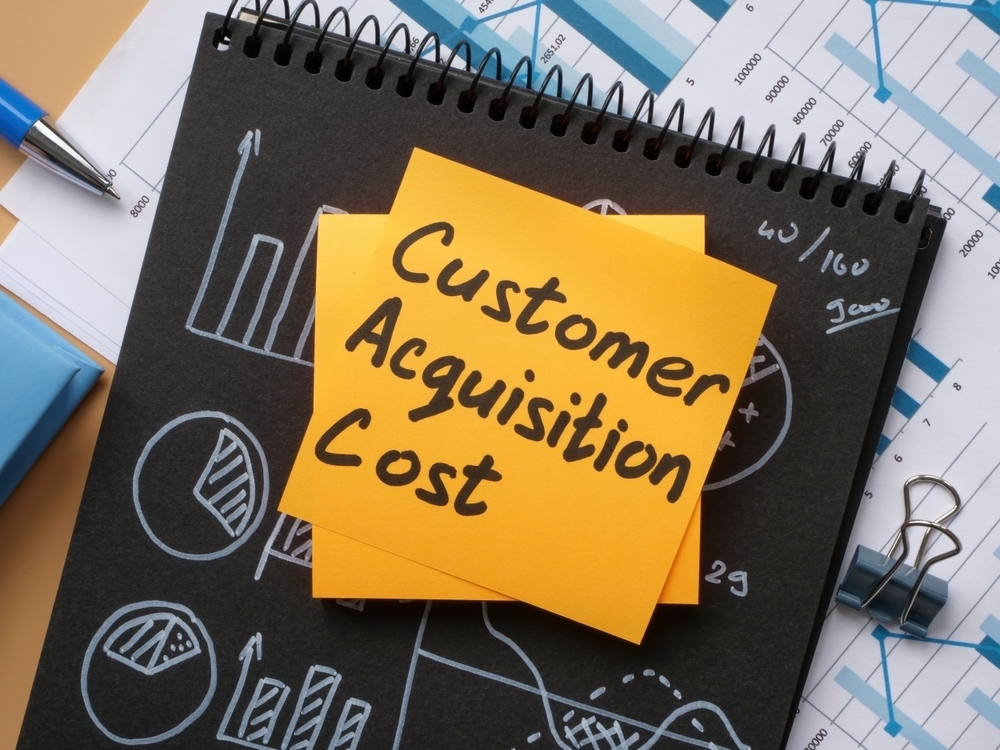
Customer acquisition cost is a price tag on growth. Read correctly, it shows which channels pay their way and which ones only look busy.
What Is Customer Acquisition Cost and How Is It Calculated?
Customer acquisition cost is what you spend to win one new paying customer. The cost of acquiring a customer covers more than ad spend, so include creative, agency fees, software, and the salaries of people who run campaigns.
Many teams run a customer acquisition cost calculation on media spend alone and end up with a flattering figure. Leaving out the cost of acquiring a customer's hidden parts makes every decision downstream look better than reality.
How Do You Calculate Customer Acquisition Cost (CAC)?
The customer acquisition cost formula is simple. Divide total sales and marketing spend in a period by the number of new customers won in that same period.
Here's a customer acquisition cost calculation with round numbers. Say you spend $9,000 on ads and $3,000 on creative, tools, and freelancers, and you win 60 new customers.
That's $12,000 divided by 60, so customer acquisition cost (CAC) is $200. Run the customer acquisition cost calculation separately by channel, and you'll quickly see where $200 turns into $350. Apply the same customer acquisition cost formula to each channel.
How to Reduce Customer Acquisition Cost Through Advertising
Lowering the number means either spending less per click or converting more of the clicks you get. The best plans do both.
How Can Businesses Reduce Customer Acquisition Costs Through Advertising?
Start with waste. Look at search terms, placements, and audiences that spend money and never convert, then cut or exclude them. Next, tighten targeting around people who resemble your best customers.
Then fix what happens after the click. Learning how to reduce customer acquisition cost often means improving the landing page, not the ad. A page that converts 4% instead of 2% halves the cost of acquiring a customer without touching the bid.
What Advertising Strategies Help Lower Customer Acquisition Costs?
Four tactics tend to work across industries. They're practical, testable, and don't require a bigger budget.
- Retarget recent visitors, who convert at lower cost than cold audiences
- Test creative weekly, since ad fatigue pushes costs up
- Match each ad to a specific landing page
- Use lookalike audiences built from your highest-value customers
Pair these with referral offers or email follow-ups for leads who didn't buy. Knowing how to reduce customer acquisition cost is mostly about stacking small wins across the funnel.
How Can Businesses Reduce Customer Acquisition Costs on Google Ads?
Google Ads rewards relevance, so most savings come from cleaning up. Add negative keywords to block irrelevant searches, and use tighter match types for expensive terms.
Check that conversion tracking records real sales or qualified leads, because bidding strategies learn from that data. Improve ad relevance and landing page experience to raise Quality Score, which can lower what you pay per click.
These steps show how to reduce customer acquisition cost on Google Ads without cutting budget.
Comparing Customer Acquisition Cost Levers
Some levers move the number quickly, while others take weeks. Each one changes a different input of the customer acquisition cost formula, so rerun the customer acquisition cost calculation after each change.
| Lever | Speed of Impact | Effort | Typical Effect |
|---|---|---|---|
| Negative keywords | Fast | Low | Less wasted spend |
| Landing page tests | Medium | Medium | Higher conversion rate |
| Creative refresh | Medium | Medium | Lower cost per click |
| Audience refinement | Medium | Low | Better lead quality |
| Referral program | Slow | High | Cheaper repeat acquisition |
Putting Customer Acquisition Cost in Context
A low number means little without knowing what each customer is worth. Compare customer acquisition cost with lifetime value before you celebrate any drop. The cost of acquiring a customer only makes sense next to what that customer returns.
Suppose a customer brings $450 in gross profit over time and costs $200 to win. That's healthy. If a cheaper channel delivers $120 customers who leave after one purchase, the lower customer acquisition cost is a trap.
A common rule of thumb is lifetime value at about three times customer acquisition cost (CAC), though your margins and cash flow may call for a different target.
Conclusion
Customer acquisition cost isn't a number to chase blindly. Apply the customer acquisition cost formula honestly, include every cost, and repeat the customer acquisition cost calculation by channel. Then attack waste first, improve what happens after the click, and use targeting, creative, and Google Ads settings to learn how to reduce customer acquisition cost step by step.
Always check the result against customer lifetime value so cheaper doesn't mean worse. Small weekly improvements, tracked carefully, add up to a durable advantage over competitors who simply cut budgets and hope.
Frequently Asked Questions
What is a good customer acquisition cost (CAC)?
There's no universal number. A good CAC is one comfortably below the gross profit a customer brings over their lifetime, with room to cover other costs.
What is customer acquisition cost payback period?
It's how long it takes a customer's gross profit to repay the cost of acquiring a customer. Shorter payback frees cash to reinvest in growth.
How often should I rerun the customer acquisition cost formula?
Repeat the customer acquisition cost calculation monthly, and sooner after major budget, pricing, or channel changes.
Does customer acquisition cost (CAC) differ for B2B and ecommerce?
Yes. B2B deals take longer and cost more per customer, but contracts are bigger. Ecommerce has lower costs per order and faster feedback.
Can organic channels lower blended CAC?
They can. Content, email, and referrals add customers without per-click fees, which lowers the blended cost of acquiring a customer.